Maybe it hasn’t snowed yet, but the steps outside your front door stay wet long after it rains. Perhaps a little stream runs across the sidewalk whenever water comes off the roof.
It’s easy to shrug that off when the weather is warm. In November, it’s a different story.
That water can freeze overnight, even when the rest of the driveway looks dry. Before you buy another bag of ice melt, it’s worth finding out where the water comes from.
For Muskegon homeowners, wind, wet leaves, and sudden changes in weather can make this a real late-fall concern.
Trace the Water Before the Next Freeze
Start by looking up, not just down.
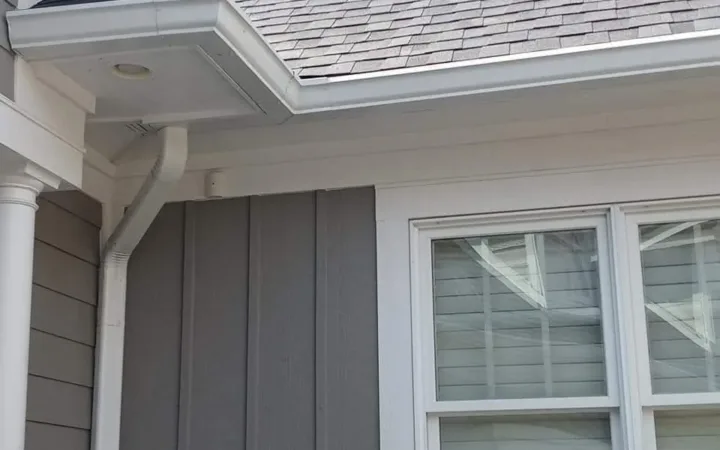
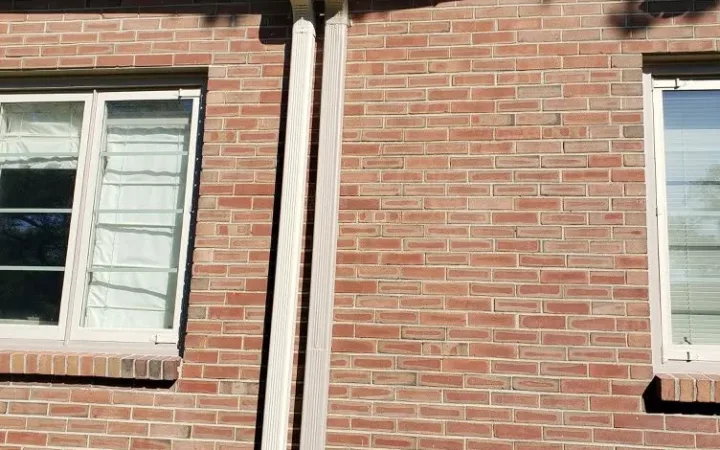
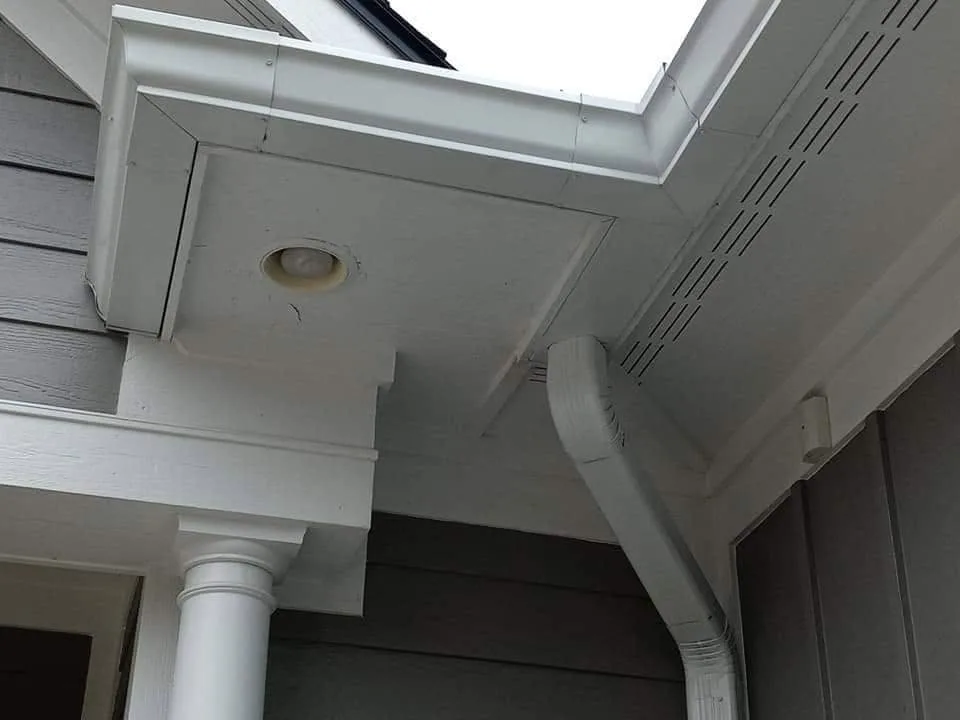
A downspout may empty beside the steps. It can send water across the walkway even if the gutter is spotless.
In another home, wet leaves may block a gutter outlet above the entryway. Rain spills over the edge, hits the ground, and follows the slope toward the door.
Sometimes water travels farther than you think. A low section of gutter can spill at one corner, while the puddle appears several feet away.
A splash mark on the siding or washed-out mulch can help you trace it.
Of course, gutters aren’t always to blame. A low spot in the concrete or soil that slopes toward the walkway may hold water from the yard.
If the steps remain wet when the roof has been dry for days, another source may be involved.
The useful question isn’t simply whether your gutters are clogged. It’s where the water starts and where it should go.
Finding that answer now can save you from dealing with the same puddle throughout winter.
Why a Rainy Day Can Leave Icy Steps
A wet walkway becomes a bigger problem when temperatures drop below freezing. Water left on concrete can form a thin, hard-to-see layer of ice.
That can happen before heavy snow arrives.
Muskegon also gets changing weather near Lake Michigan. The National Weather Service explains that lake-effect snow depends partly on wind direction. Some areas can receive snow while others stay clear.
During November, rain, frost, wind, and snow can all affect how water moves around your home.
Wind also pushes loose leaves across the roof. Some gather in valleys, while others end up near the downspout opening. Once wet, they cling together and slow drainage.
Think about a home where the downspout ends beside the walkway to the mailbox.
After a rainy afternoon, water crosses that route. A cold night freezes it. The next morning, someone carrying groceries or heading to work could step onto the ice without noticing.
That’s a good reason to act before the first big storm.
The goal isn’t to make your gutters look neat. It’s to keep roof water off the places people need to walk.
What You Can Check Safely
You can begin with a safe check from the ground.
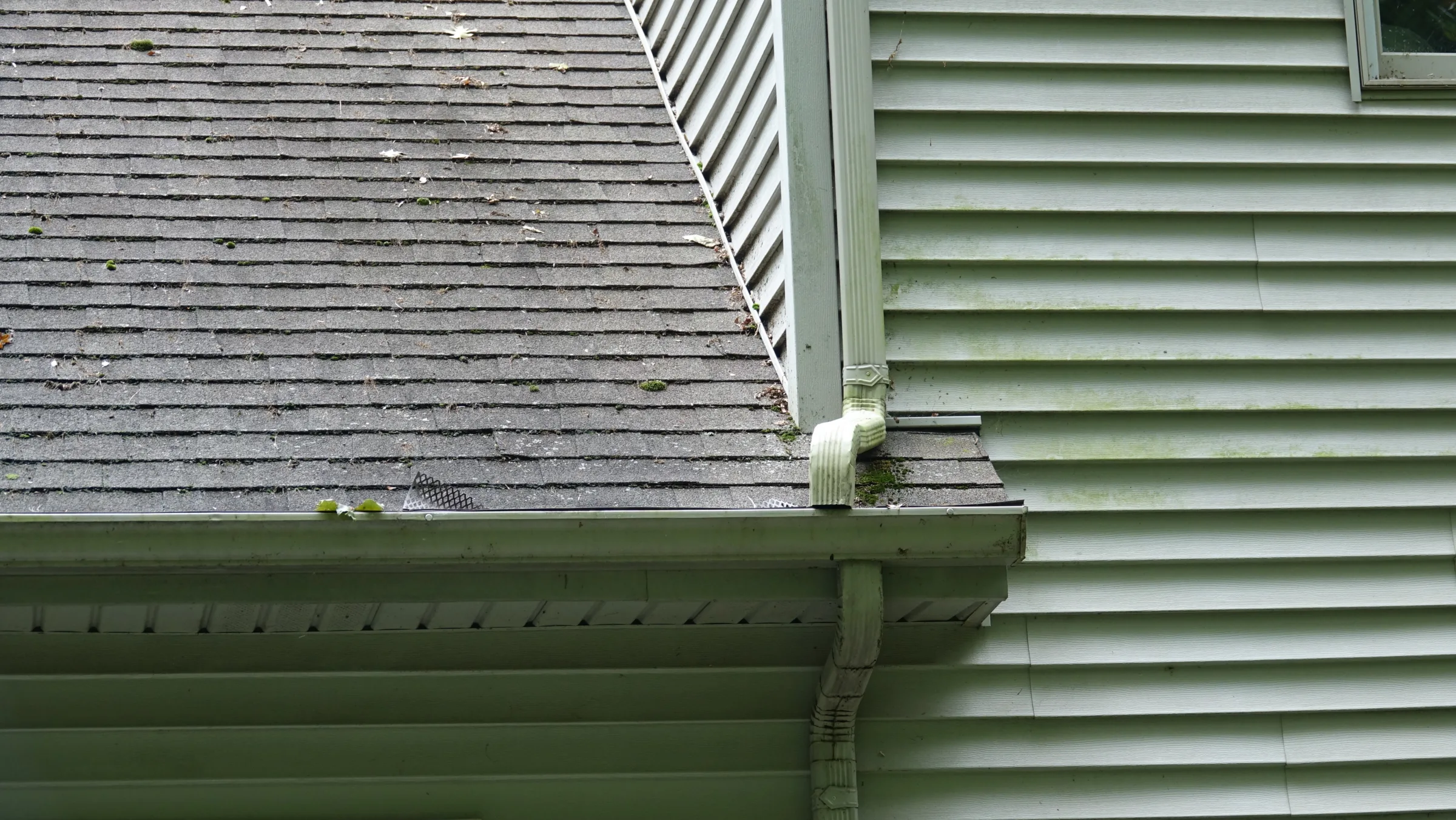
During rain, note whether water comes out of the downspout or spills from the roof edge. Once the weather clears, look for leaves around any ground-level outlet you can reach safely.
Don’t climb a ladder or try to pull frozen debris from a gutter.
Next, check the path the water takes.
A downspout that ends beside the steps may need its discharge redirected. However, any extension should avoid creating a trip hazard or sending water onto a neighboring property.
If a clog causes the problem, professional gutter cleaning can help restore the flow.
At All Gutter Systems, we remove debris by hand, check and flush downspouts, and haul the material away. We also use ladder standoffs to help protect your gutters during cleaning.
That way, we’re not just clearing the leaves you can see. We’re checking the places where they tend to get stuck.
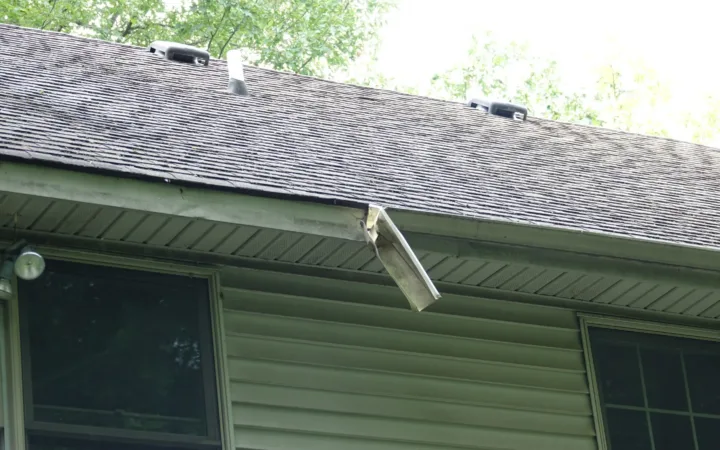
If we find a damaged elbow or a loose gutter, we can explain whether gutter repair makes sense.
What if you have gutter guards?
They can help keep leaves out, but wet debris may still collect on top. A check before winter can show whether the cover needs cleaning or the outlet below it needs attention.
For now, keep the walkway clear and use an appropriate ice treatment or traction aid when needed.
That helps reduce the immediate slip risk. Still, don’t rely on ice melt to fix a gutter that sends water there after every storm.
Can the steps freeze even if there hasn’t been snow?
Yes. Rainwater or melting frost can freeze when the surface gets cold enough. Snow isn’t required.
If the downspout is flowing, could the gutter still be the problem?
Possibly. A joint may leak or one section may overflow. However, the outlet’s location and the ground slope are also worth checking.
Will gutter cleaning fix the puddle beside my front door?
It can if leaves are forcing water over the gutter. If the downspout already drains onto the walkway, you’ll need to address where the water goes instead.
Should I pour hot water into a frozen downspout?
No. The water can refreeze where people walk, and working around ice can be dangerous. Wait for safe conditions and have the blockage checked.
Would gutter guards prevent water from reaching my steps?
Not necessarily.Gutter guards can reduce debris buildup, but they won’t fix poor downspout placement or uneven ground. The water still needs somewhere safe to drain.
If you keep finding water by the steps, you don’t have to wait for it to turn into ice.
At All Gutter Systems, we provide professional gutter cleaning in Muskegon and help homeowners address drainage problems before winter.
Contact us today to request your free estimate. Tell us where the puddle forms, and we’ll help you determine whether cleaning, a repair, or a downspout adjustment is the right next step.
Request your free written estimate from All Gutter Systems.
Need a hand with this? We've been on West Michigan roofs since 1988. Estimates are free and there's no obligation — call (616) 532-2200 or request one online.